Research-creation · Community-based · 2024–
Andean Futures
Futuros Andinos: an ongoing, community-based research-creation project in Pisac, Peru, where young people make their own games with open-source tools.
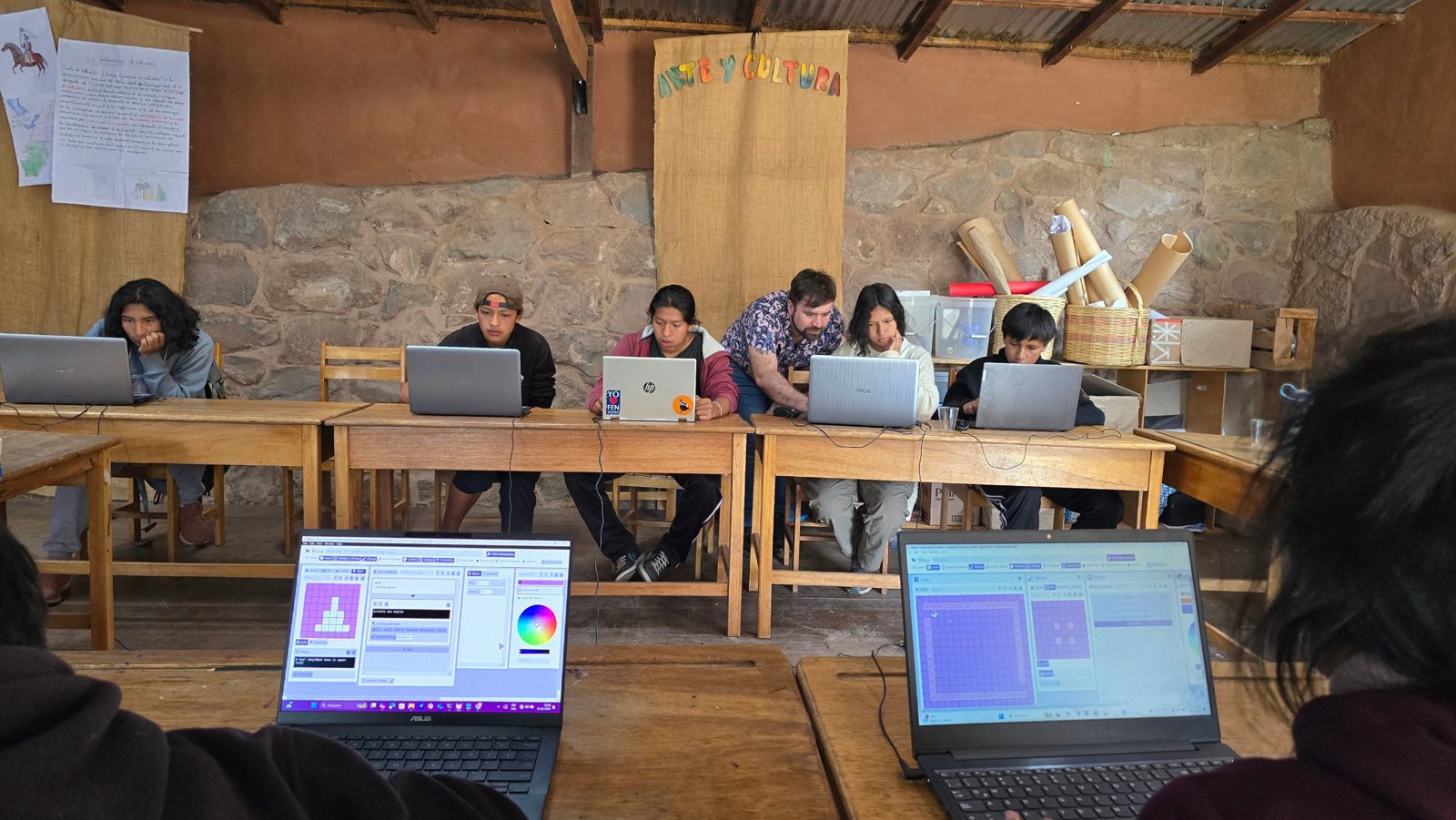
- 50+young people have made their own games
- 2024first workshops, in the Sacred Valley of the Incas
- Bitsy & Twinefree, open-source tools that run on any computer
- Kusi KawsayAndean Association, partner since the start
The project
Andean Futures (Futuros Andinos in Spanish) is an ongoing, community-based research-creation project using open-source game-making tools, in collaboration with Kenia Chávez Ccahuana and the Kusi Kawsay Andean Association.
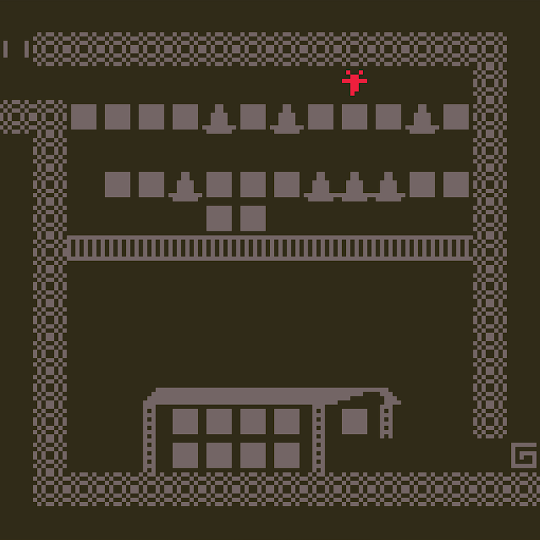
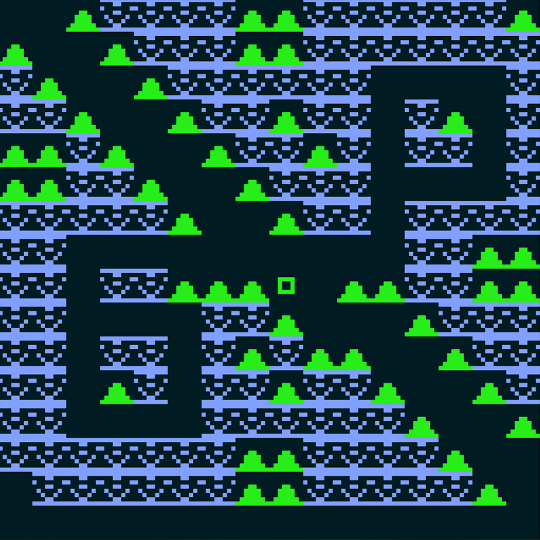
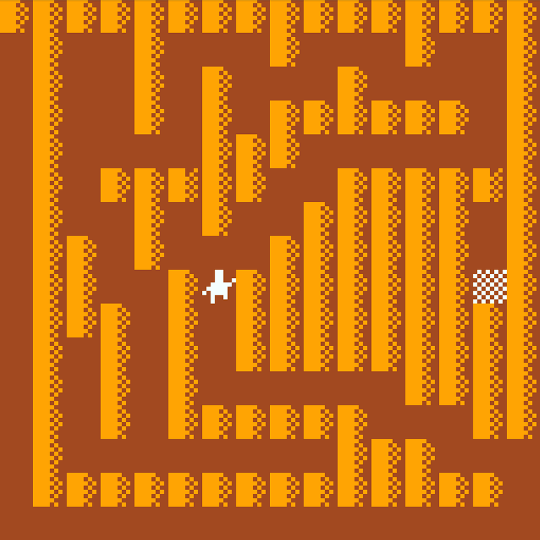
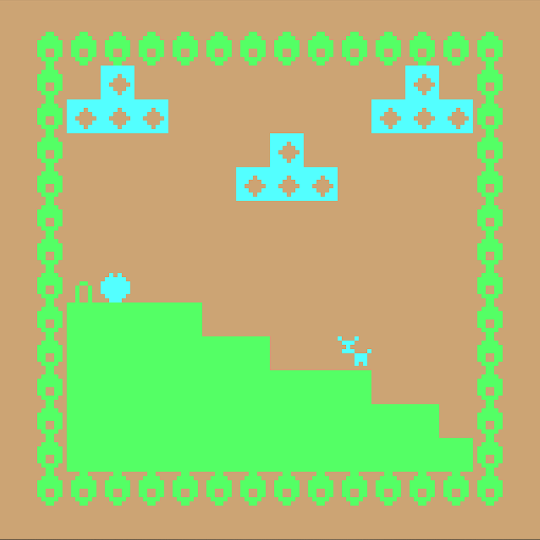
This is an experimental participative digital project rooted in the heart of the Sacred Valley of the Incas, Pisac, Peru. This initiative emerged as a continuation of our previous work on Hawk and Puma, a minimalist game that brought indigenous chronicles into a contemporary, interactive medium. With Andean Futures, we aimed to push the boundaries further by focusing on collaborative game design, involving the youth of Pisac and their local community. The project is an exploration of Andean futures through interactive storytelling, combining traditional cultural elements with speculative fiction, all while embracing open-source game creation tools like Bitsy and Twine.
Our main goal was to empower young people from the Andean community of Pisac to tell their own stories and imagine possible futures from their unique cultural lens. By collaborating with the Kusi Kawsay Andean Association, we ensured that the narratives, aesthetics, and cosmovision of the local culture were deeply integrated into the project. The digital micro-games created through this process will form a virtual Quipu—a web of stories and perspectives that weaves together the future as envisioned by those often left out of mainstream narratives.
Artistically, the project embraces minimalist design and the visual richness of the Sacred Valley. From the textures and colors inspired by Andean textiles to the incorporation of ambient sounds from the natural environment, Andean Futures grounds its speculative futures in a deeply rooted cultural and geographical context. The games themselves explore themes such as identity, indigenous rights, and the complex relationship between tradition and modernity. Every aspect of this project, from its collaborative methods to its open-source tools, highlights our commitment to decolonial game design.
Looking ahead, Andean Futures is designed as a replicable framework that can be extended to other Andean communities or indigenous cultures. The project is not only a series of interactive experiences but a growing platform for underrepresented voices to craft their visions of the future. By creating a space for community-driven storytelling, we aim to challenge the typical narratives of the digital world and celebrate the cultural heritage and contemporary realities of indigenous peoples.
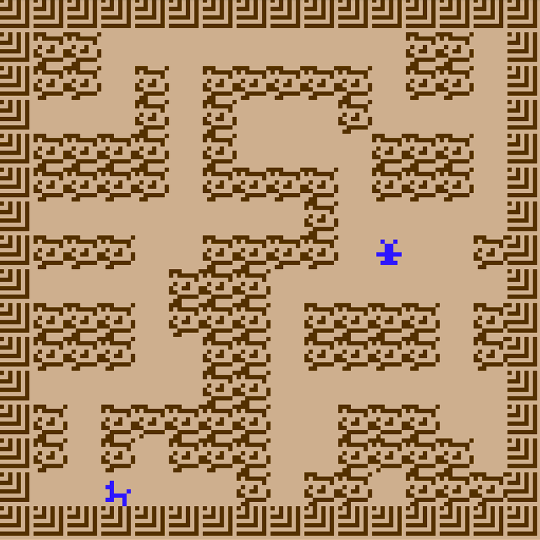
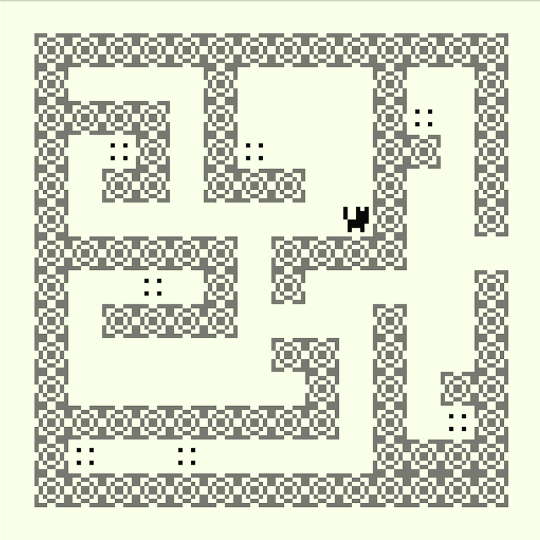
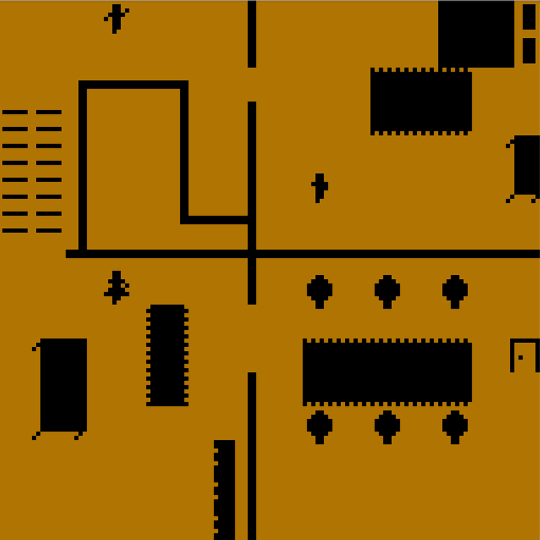
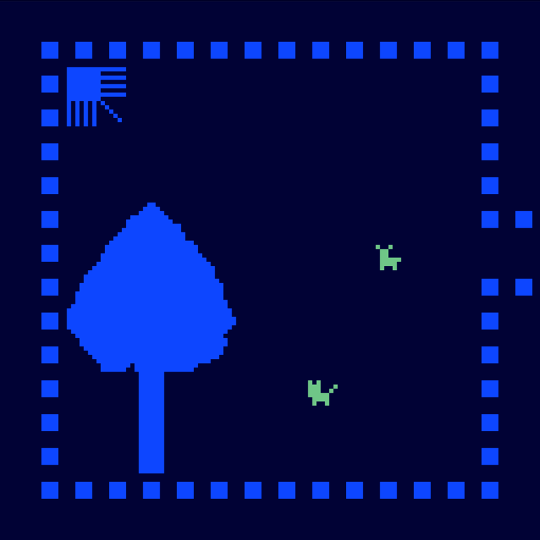
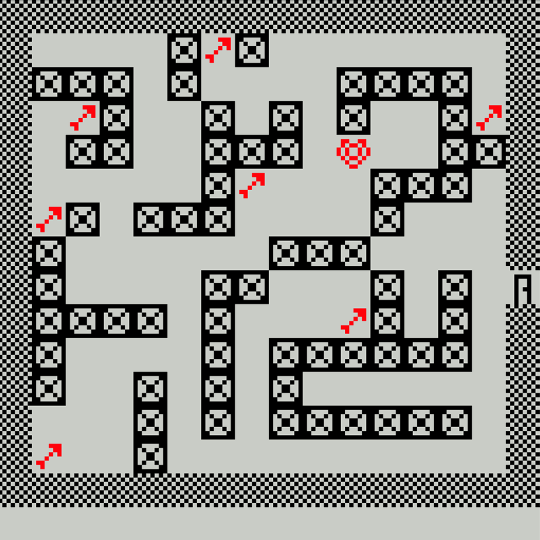
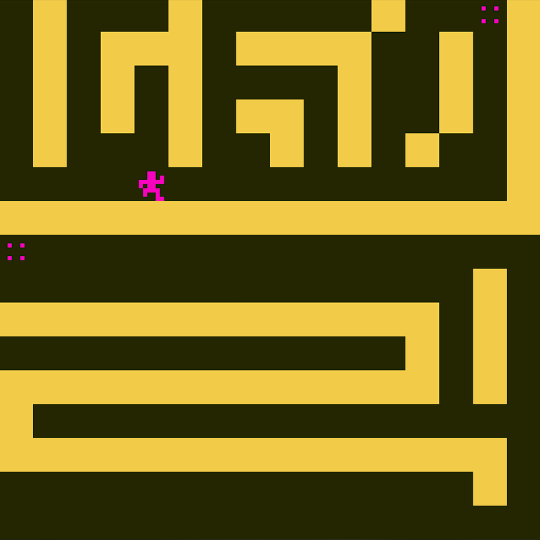
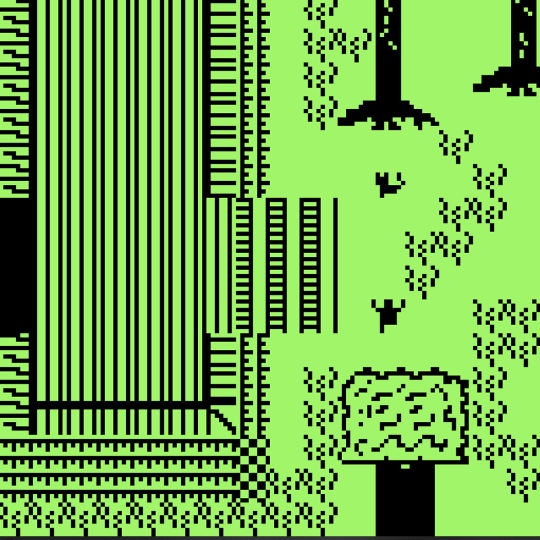
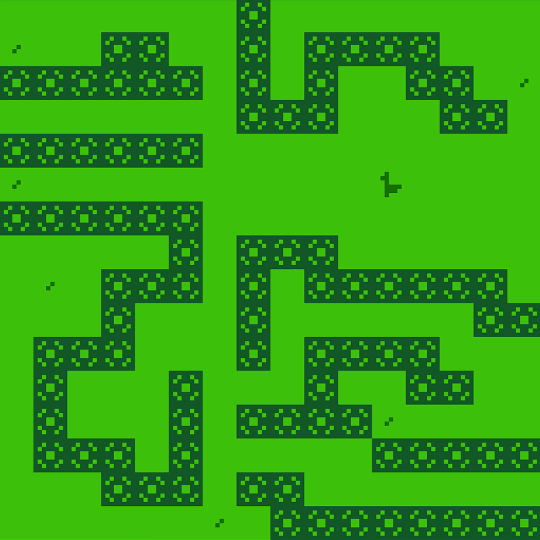
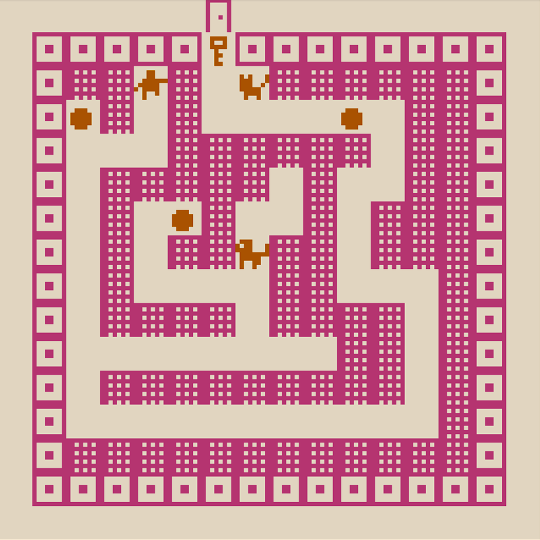
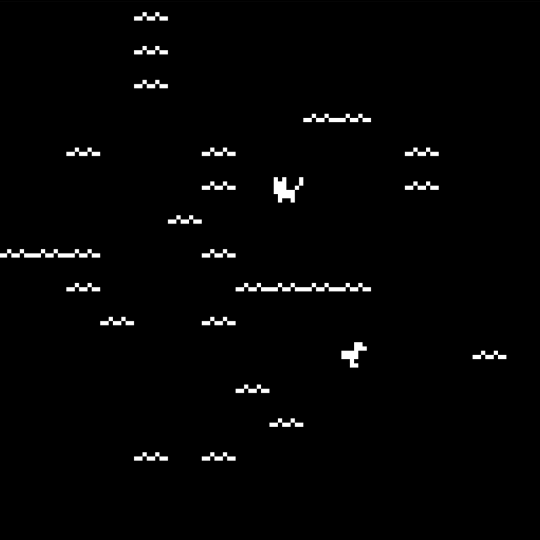
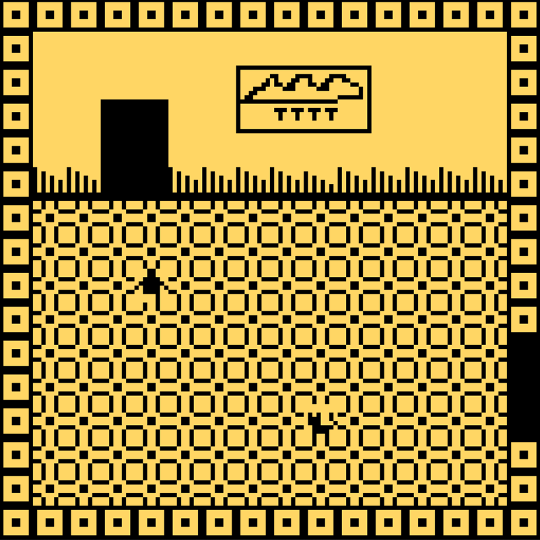
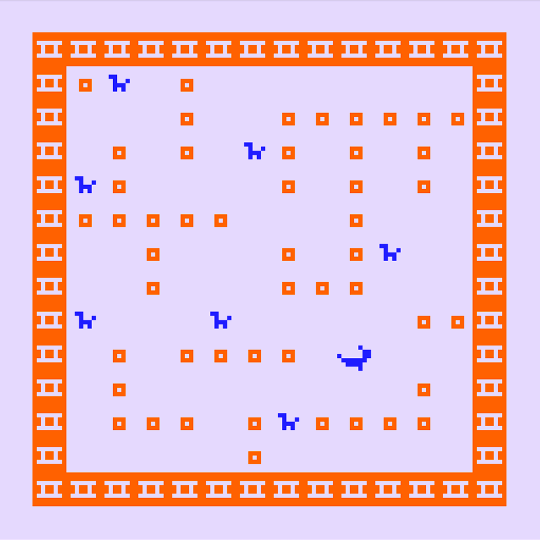
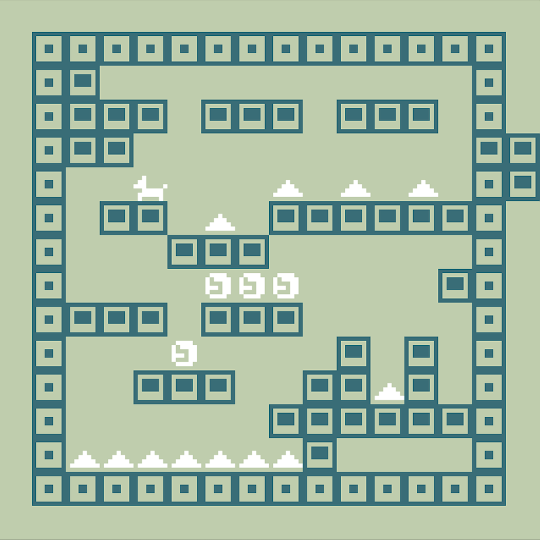
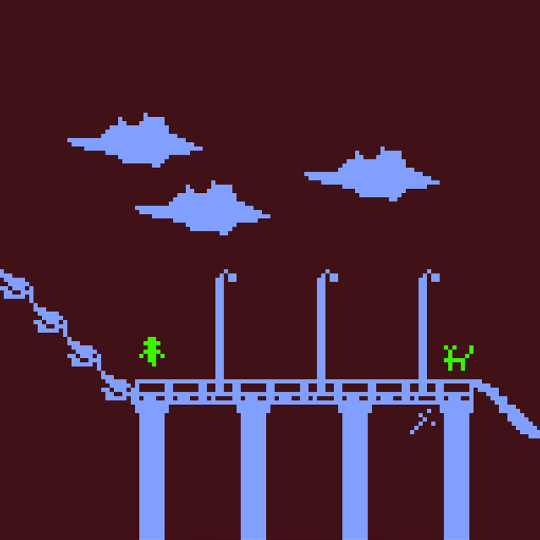
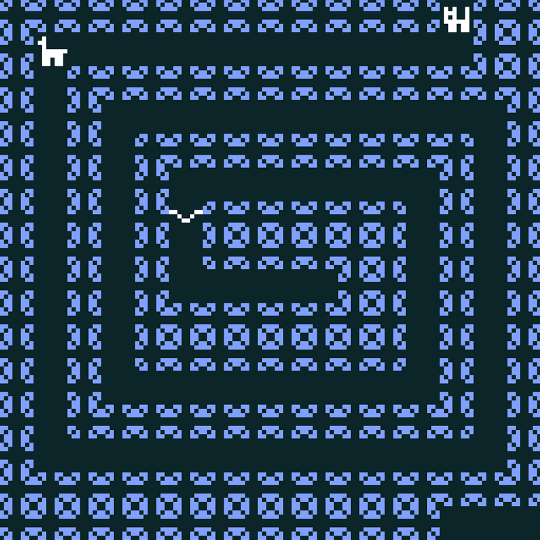
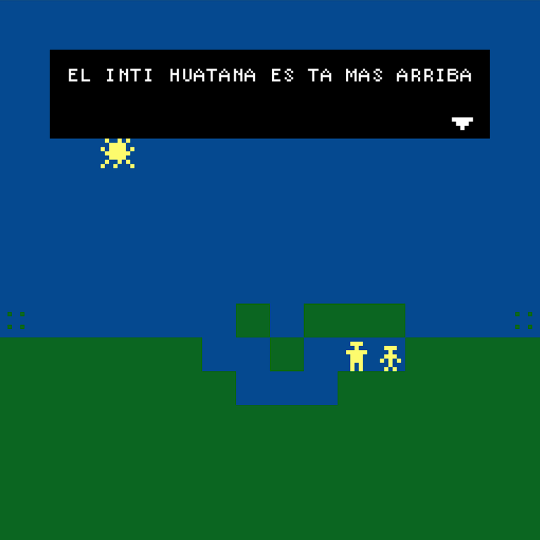
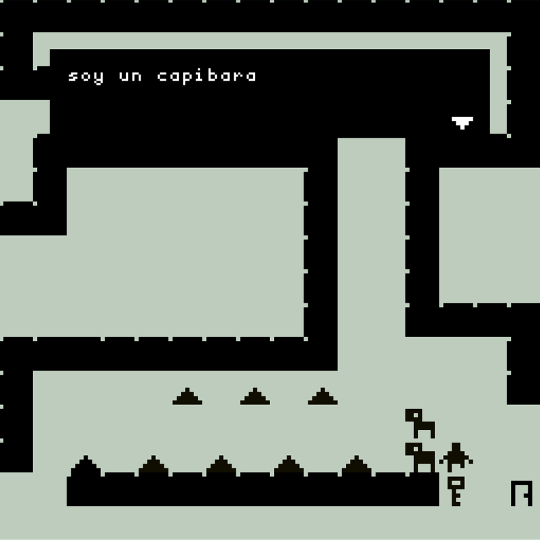
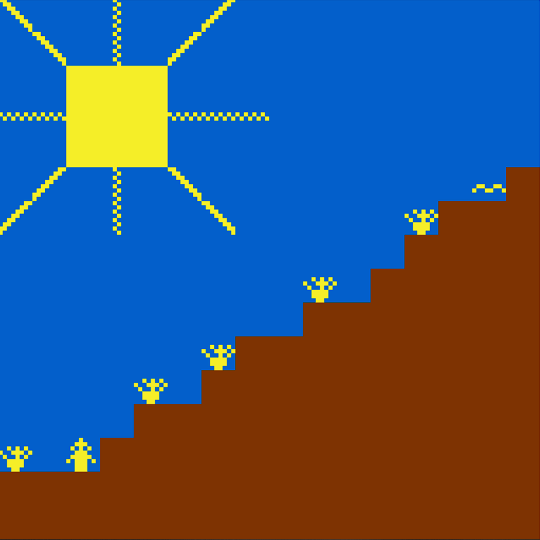
Games made in the workshops
Screens from the micro-games created by the young participants in Bitsy. Shared with the consent of the participants and the school.
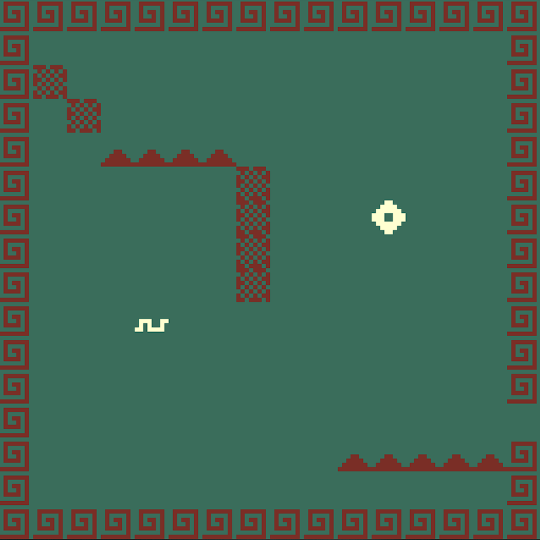
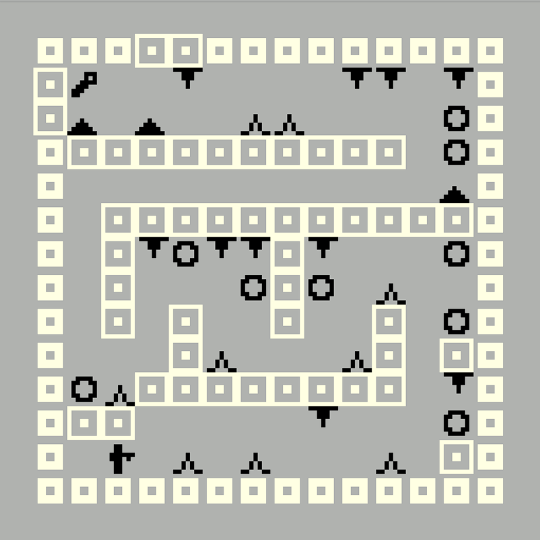

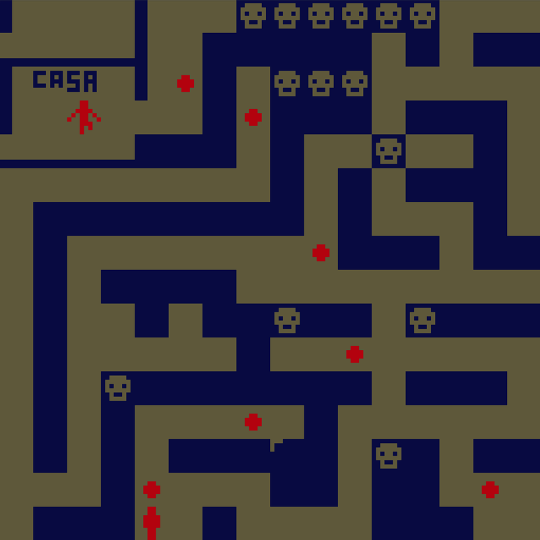


The workshops
Andean Futures began in 2024 with the Andean Association Kusi Kawsay as a co-designed protocurriculum for more than fifty young people, some of whom went on to train younger peers. There I work with local youth to develop microgames using accessible tools, composing a digital quipu that interweaves stories about language, territory, and identity. More than a final product, it functions as a pedagogical and digital sovereignty process that trains local designers, archives processes, and strengthens capacities for creation and care.
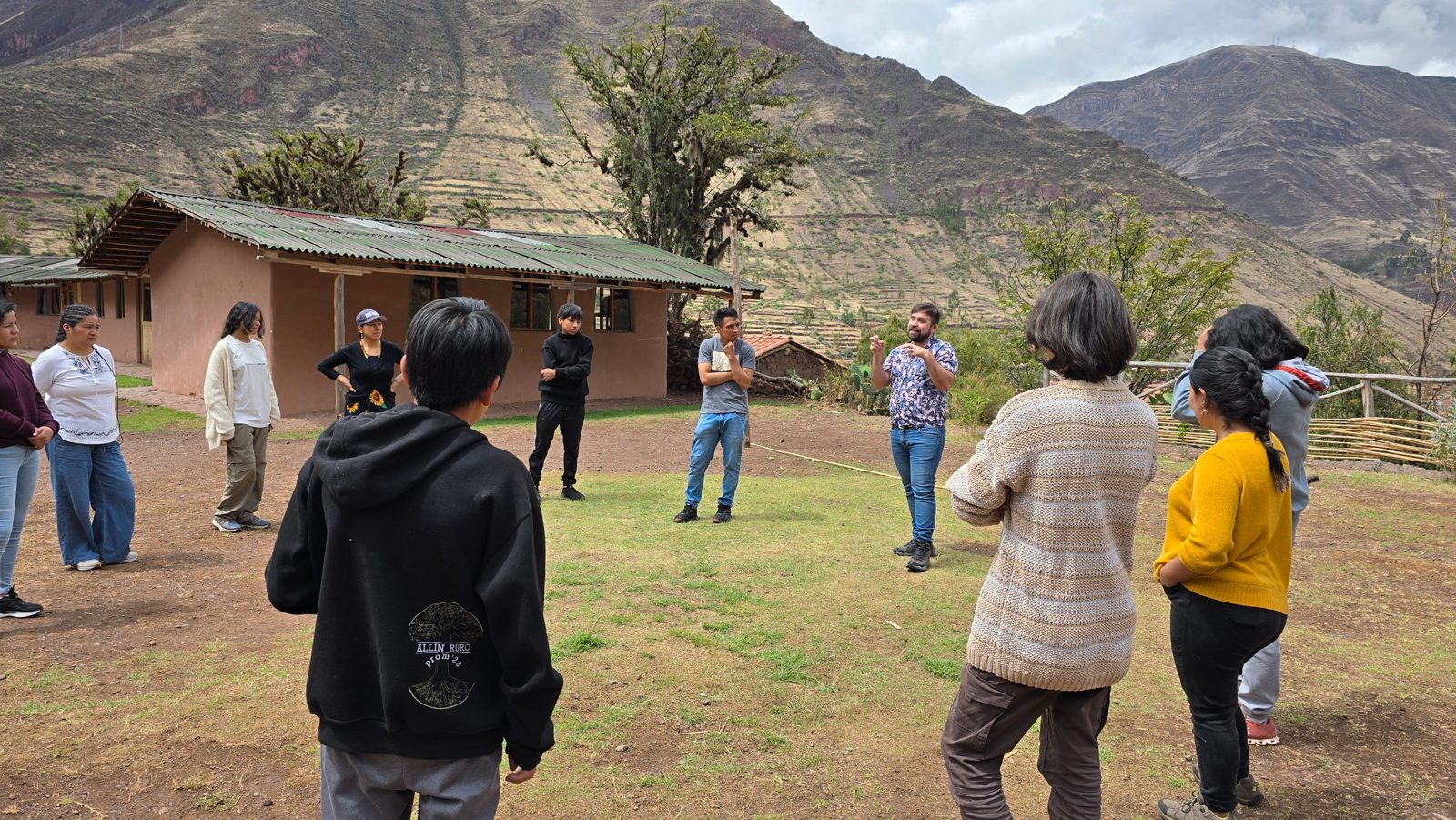
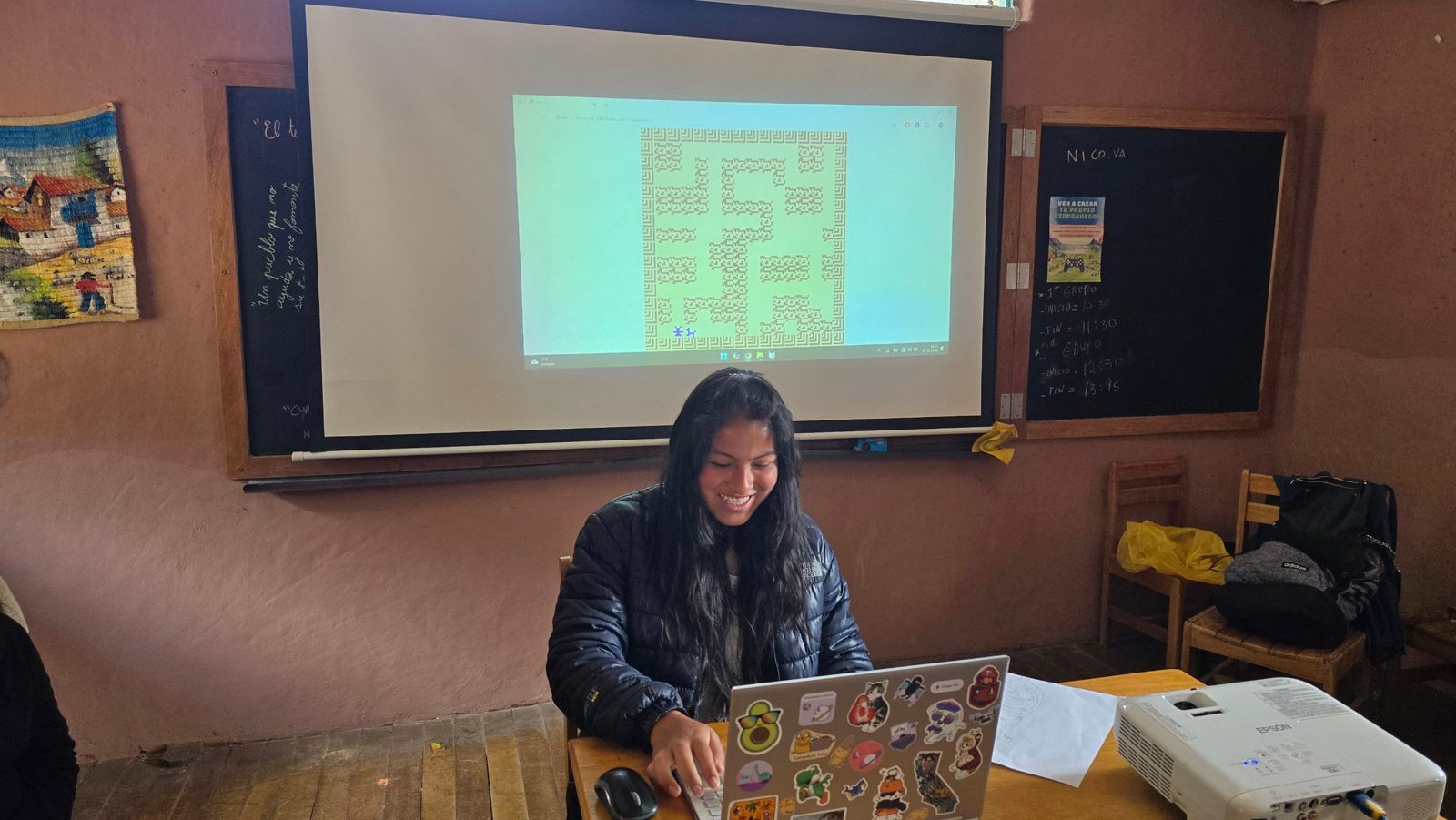
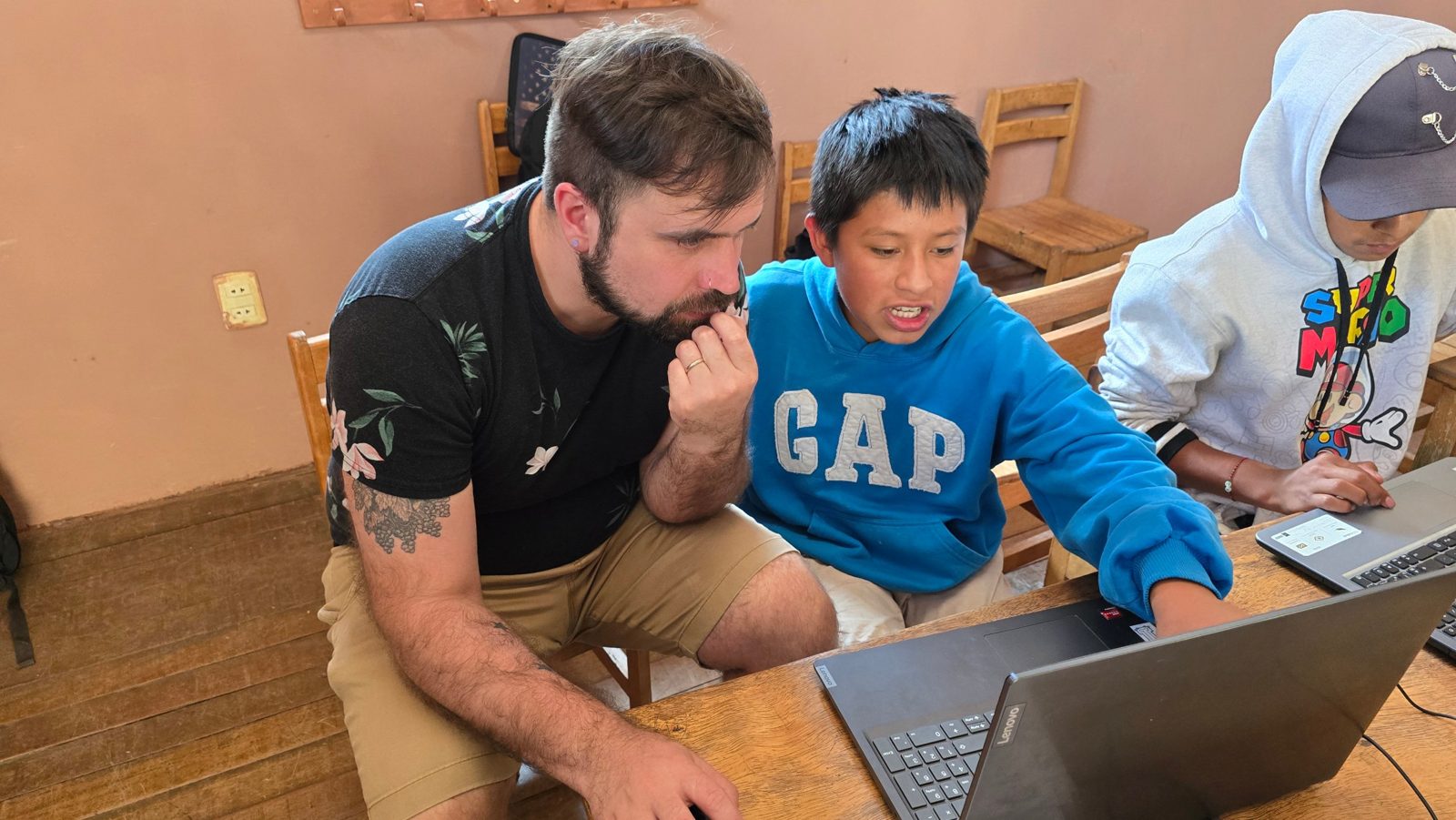
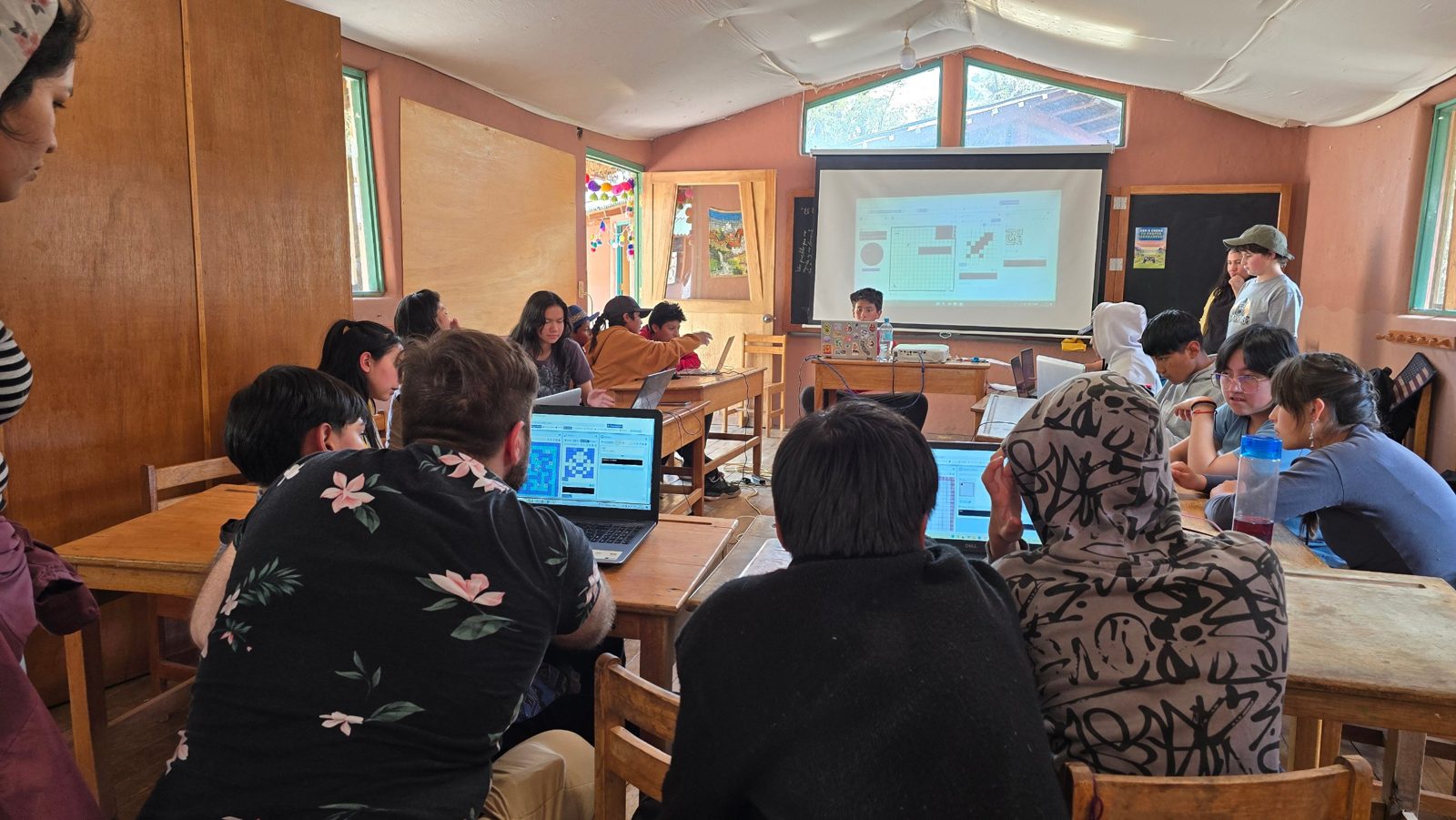
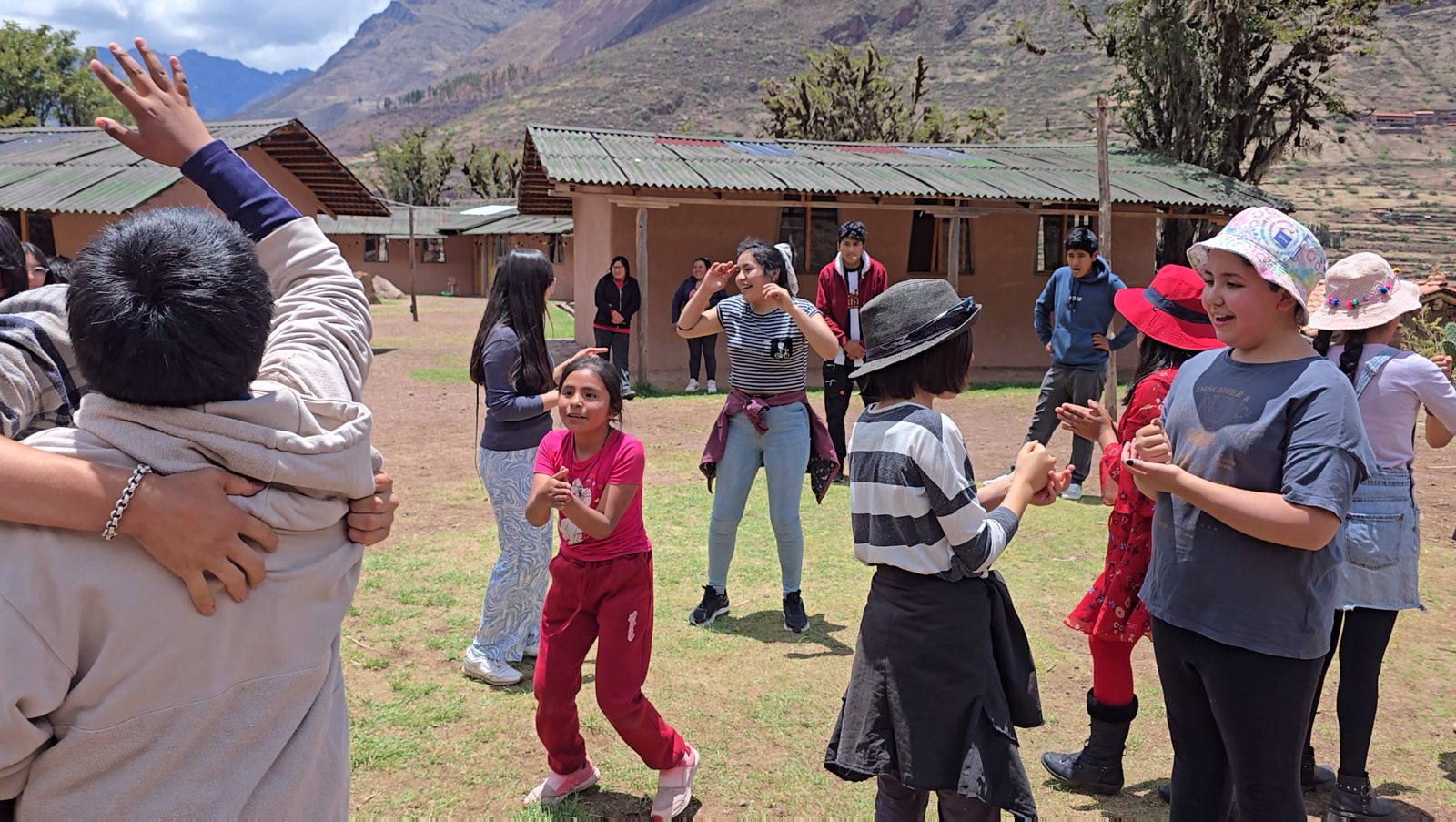
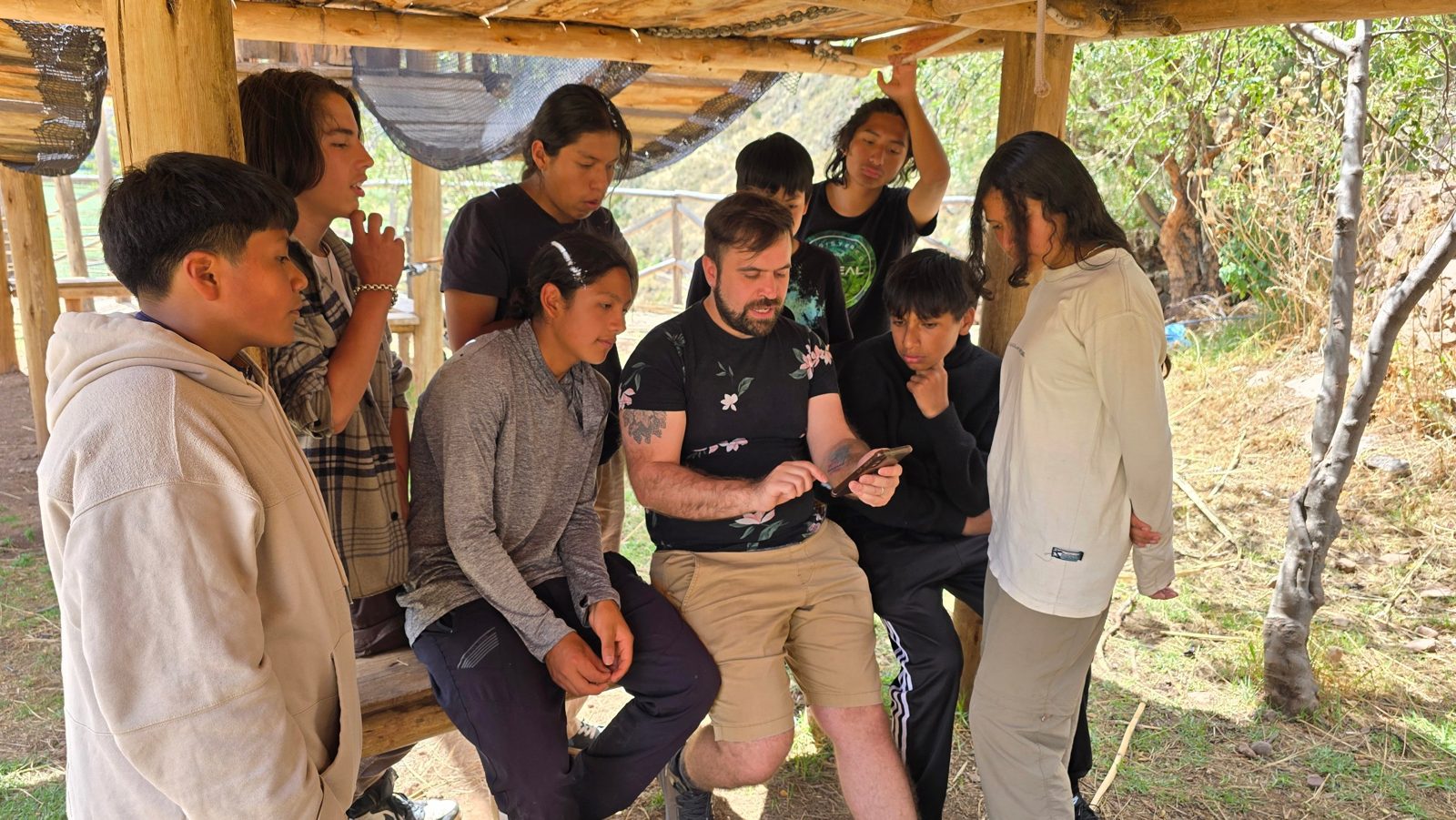
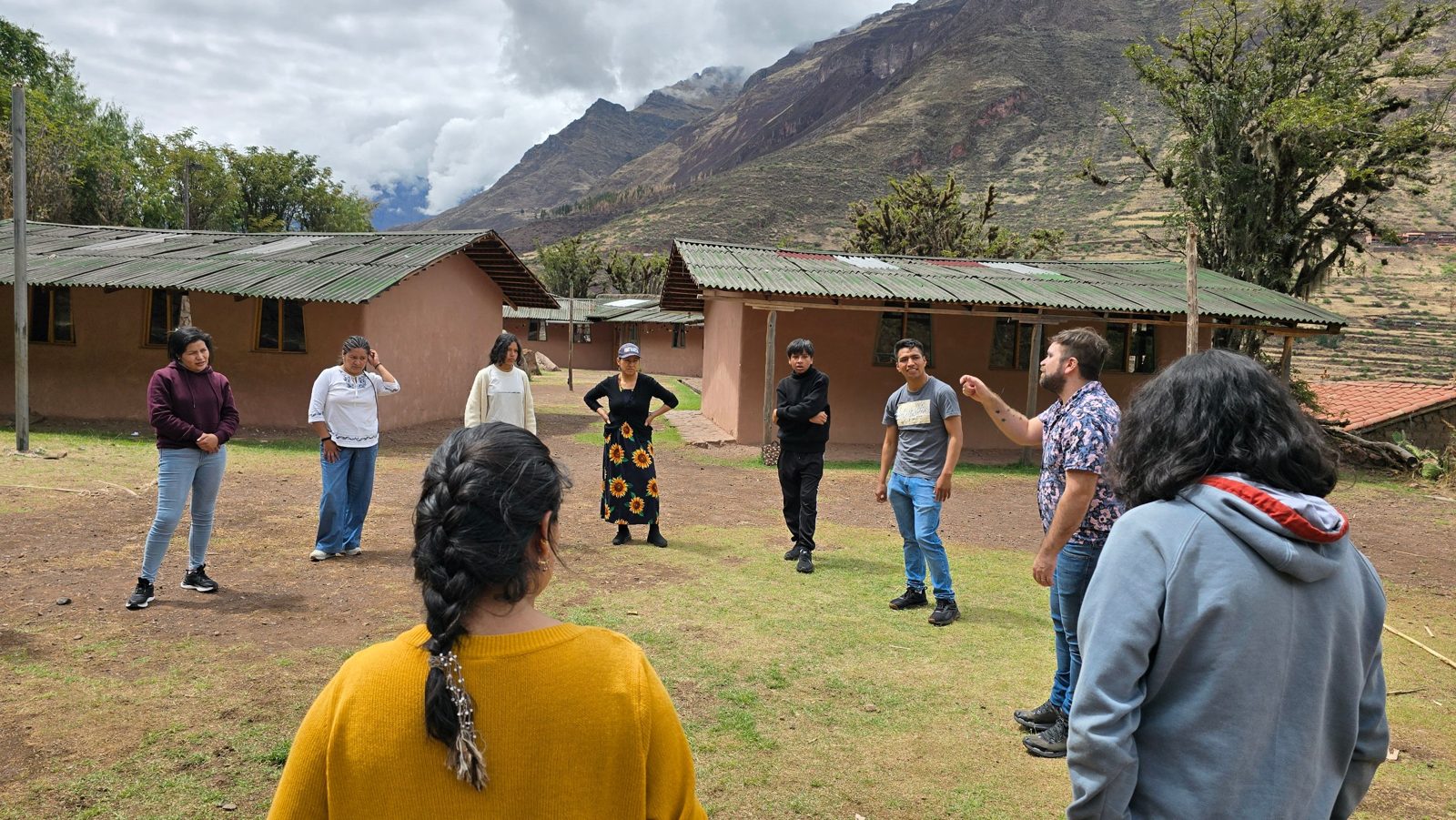
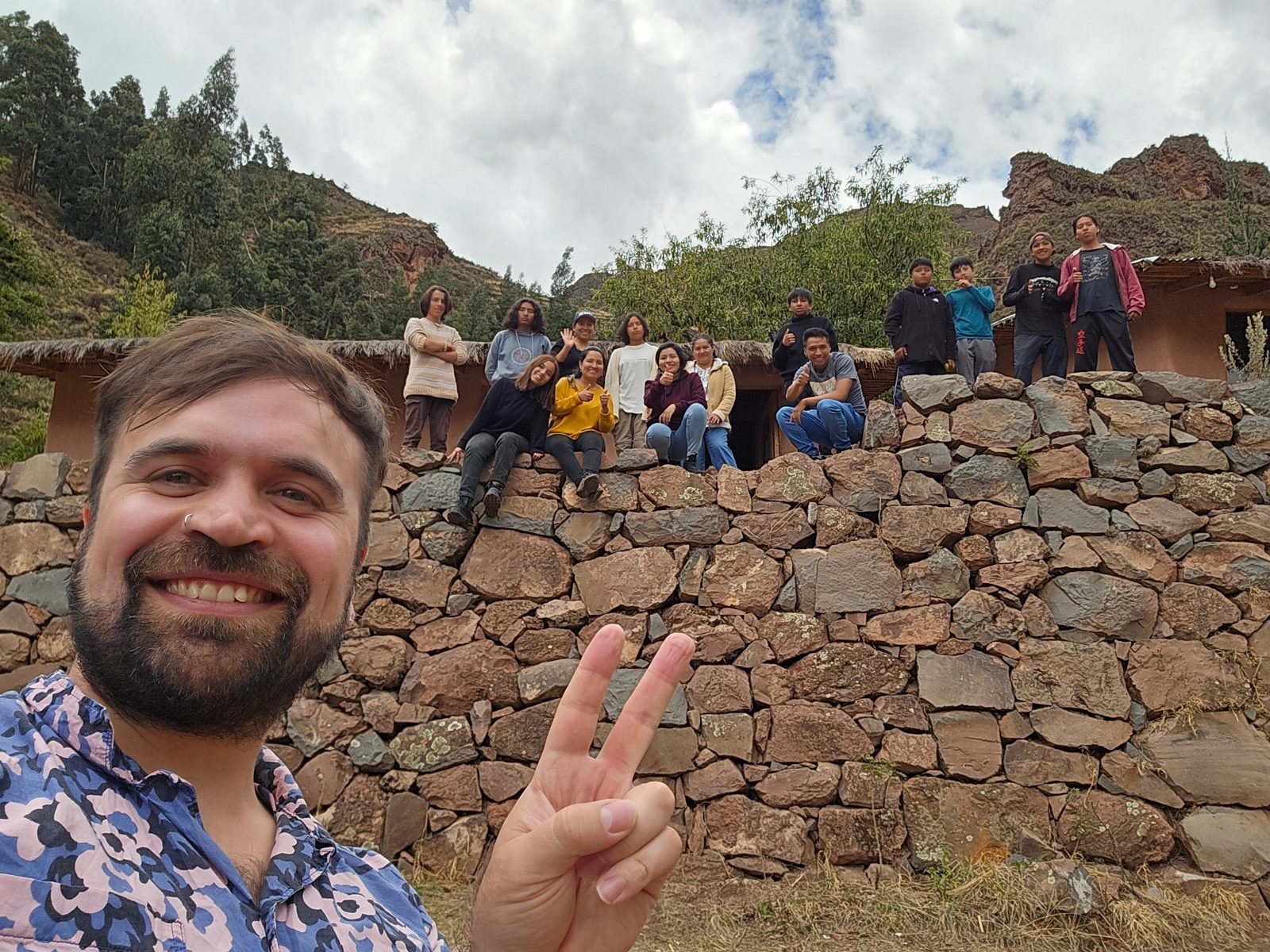
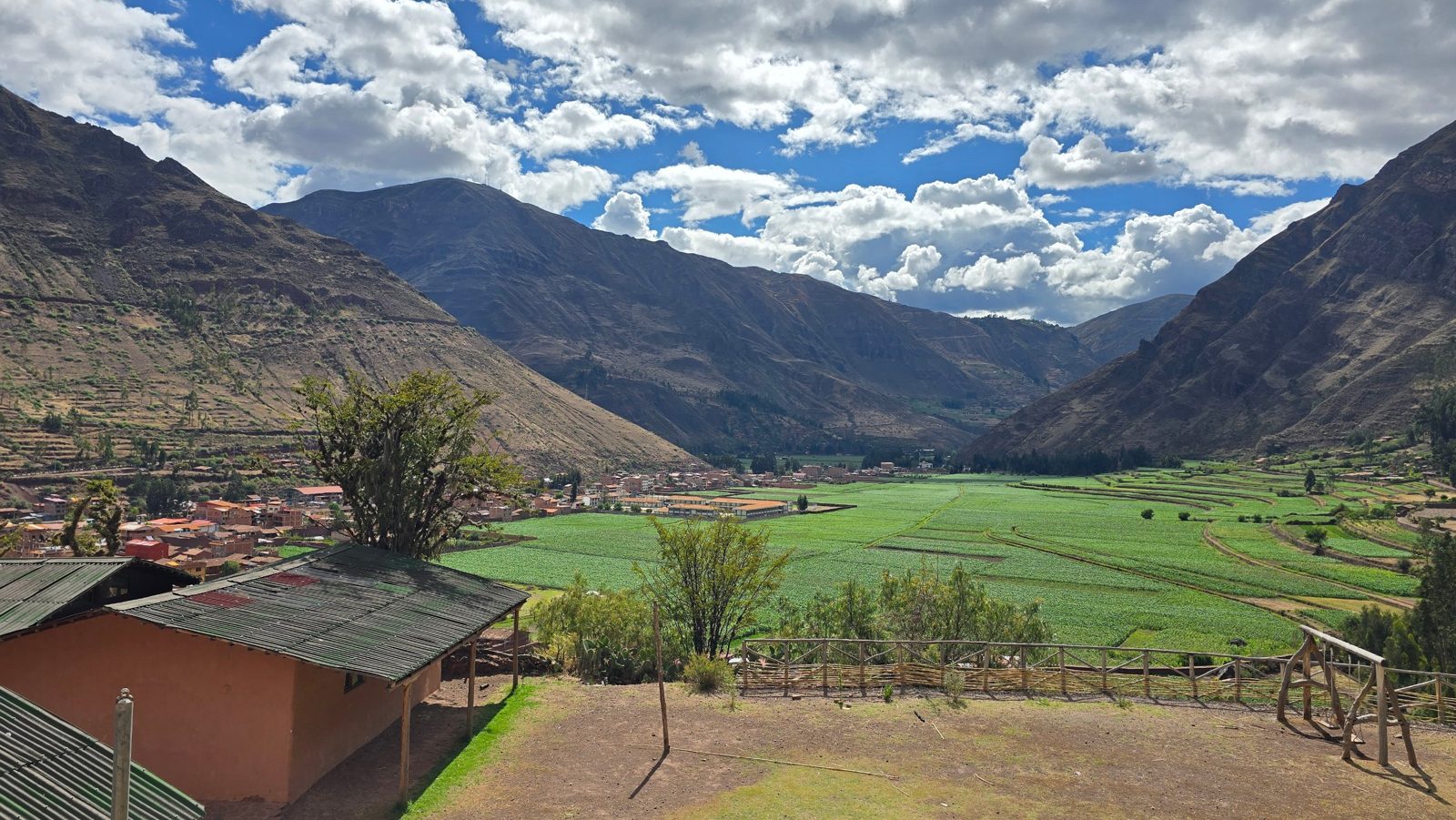
All photographs are shared with the explicit consent of the participants and of Kusi Kawsay.
What comes next
After these workshops, a student from the school in Pisac continued making games in a minimalist pixel aesthetic, and I have served as mentor on the student's final school project and in the transition toward continuing in higher education.
From this accompaniment, and at the request of students and the school's director, the next edition, in February 2027, will continue the pilot with the community's weavers, making games together that share and teach aspects of weaving to the young people there, as a self-determined project with digital sovereignty and local distribution.
As research-creation
Andean Futures derives from my previous co-design experience in Hawk and Puma, but constitutes itself as an independent initiative created from scratch with the community. My doctoral dissertation, From Absence to Co-Creation: Production, Collaboration, and Research-Creation in Indigenous Video Games across Latin America / Abya Yala, closes with Futuros Andinos, treating design decisions, open-source tools, shared credits, community time, and material constraints as sources of knowledge.